



The landscape design industry is experiencing a revolutionary transformation. What once required weeks of consultations, hand-drawn sketches, and significant financial investment can now be accomplished in minutes through AI-powered landscape design. For San Francisco homeowners looking to transform their sidewalk gardens or backyard spaces, artificial intelligence is making world-class design accessible, affordable, and remarkably efficient.
What is AI Landscape Design?
AI landscape design uses artificial intelligence and machine learning algorithms to create professional, site-specific landscape plans tailored to your property's unique characteristics. Unlike traditional landscape architecture that relies solely on human designers working from scratch, AI-powered landscape design (https://eden.studio/how-ai-landscape-design-works) analyzes thousands of successful projects, local climate data, soil conditions, and aesthetic preferences to generate optimized designs in a fraction of the time.
Modern AI landscape design platforms combine computer vision, predictive analytics, and generative design technology to evaluate your space and recommend plantings, hardscaping elements, and layout configurations that maximize beauty, functionality, and sustainability.
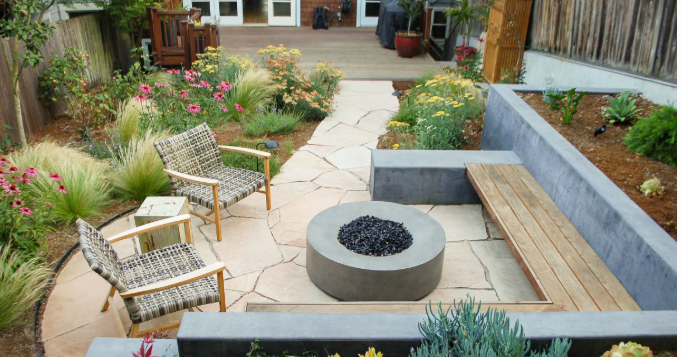
How AI is Transforming Landscape Design in 2026
The integration of artificial intelligence into landscape architecture represents more than just faster design—it's fundamentally changing what's possible for homeowners. Traditional landscape design services in San Francisco typically start at $3,000-$5,000 just for initial design concepts, with timelines stretching 4-8 weeks before you see your first rendering. AI technology has disrupted this model entirely.
Speed and Efficiency Revolution
One of the most compelling advantages of AI landscape design is speed. Where conventional landscape architects might take weeks to produce initial concepts, AI design tools can reduce planning from weeks to minutes (https://eden.studio/ai-landscape-design-speed). This acceleration doesn't sacrifice quality—in fact, AI systems can explore hundreds of design variations simultaneously, testing different plant combinations, spatial arrangements, and aesthetic approaches that would be impractical for even the most dedicated human designer to consider.
For San Francisco residents working with compact sidewalk gardens or urban backyards, this speed advantage means you can iterate quickly, exploring multiple design directions before committing to installation. The traditional bottleneck of waiting for designer availability or revision rounds essentially disappears.
Cost Accessibility
Perhaps the most democratizing aspect of AI landscape design is cost reduction. Traditional landscape design services (https://eden.studio/ai-vs-traditional-landscape-design-cost) often price out middle-income homeowners entirely, while AI-powered alternatives (https://eden.studio/benefits-of-ai-landscape-design) can deliver professional results at 60-80% lower costs. This affordability opens up professional landscape design to a much broader audience.
Eden Studio exemplifies this approach, bringing full-service landscape design expertise to San Francisco's sidewalk gardens and backyards at prices that make sense for real homeowners, not just luxury estates. The cost savings stem from automation of time-intensive tasks like initial site analysis, plant research, and layout iterations—allowing human expertise to focus where it matters most: creative vision and site-specific problem-solving.
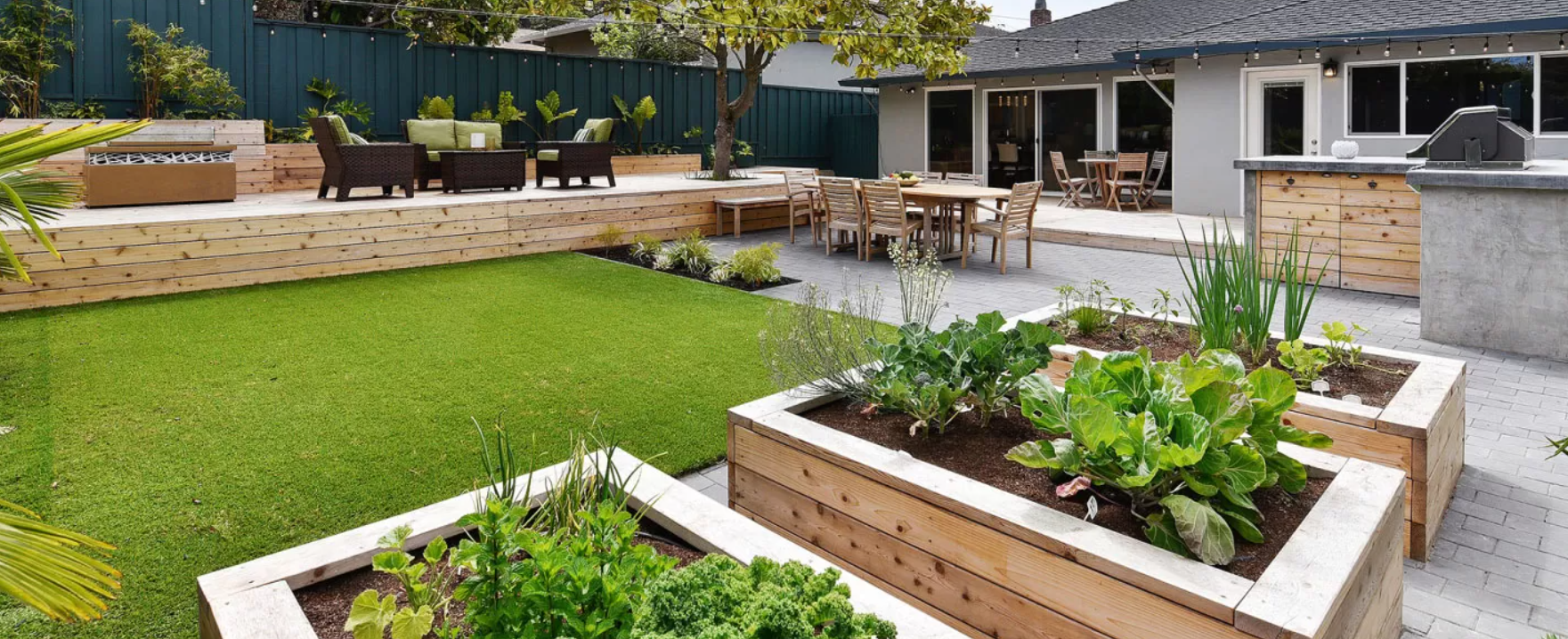
Data-Driven Plant Selection
One of the most impressive capabilities of modern AI landscape design is intelligent plant selection. AI plant selection technology (https://eden.studio/ai-plant-selection-technology) considers far more variables than most homeowners—or even experienced designers—can readily track: microclimate conditions, soil pH requirements, water needs, mature size projections, seasonal interest, maintenance requirements, and compatibility with neighboring plants.
For San Francisco's unique Mediterranean climate, with its fog-influenced microclimates and water conservation concerns, this precision matters enormously. AI systems can recommend drought-tolerant California natives perfect for your sidewalk strip, suggest the ideal plant for that shaded north-facing corner, or design a rain garden that manages stormwater while looking beautiful year-round.
The technology draws from extensive plant databases that include growth patterns, disease resistance, and performance data from similar sites—knowledge that would take a human designer decades to accumulate. This data-driven approach significantly reduces the risk of plant failures and disappointing results.
The AI Landscape Design Process: What to Expect
Understanding how AI landscape design works demystifies the technology and helps you make the most of these powerful tools. The process typically unfolds in several intelligent stages:
1. Site Analysis and Data Collection
The process begins with gathering information about your property. Modern virtual landscape design consultations (https://eden.studio/virtual-landscape-design-consultation) can often work from photos, satellite imagery, and your input about sun exposure, drainage issues, and existing features. Advanced systems may use computer vision to automatically identify existing plants, structures, and site challenges.
For San Francisco properties, this stage might include analyzing the relationship between your garden and iconic neighborhood features—whether you're designing around Victorian architecture in the Mission, working with steep terrain in Noe Valley, or creating a courtyard oasis in the Marina.
2. Preference and Goal Setting
AI design platforms gather information about your aesthetic preferences, functional needs, and maintenance commitment. Do you want a low-maintenance native plant garden? A productive edible landscape? A modern minimalist design with architectural plants? The system learns your style through questionnaires, image selection exercises, or analysis of inspiration photos you provide.
This stage also captures practical considerations: Do you have pets? How much time can you dedicate to garden maintenance? What's your budget for installation and ongoing care? Is water conservation a priority?
3. Automated Design Generation
Here's where AI technology truly shines. The system processes all collected data—site conditions, your preferences, local climate patterns, and thousands of successful design precedents—to generate comprehensive landscape plans. This includes:
- Plant palettes with specific species recommendations and quantities
- Layout plans showing placement of plantings, paths, and features
- Grading and drainage solutions for problem areas
- Material specifications for hardscaping elements
- Seasonal interest planning ensuring year-round beauty
Automated garden design (https://eden.studio/automated-garden-design) systems can produce multiple design alternatives exploring different styles or approaches, giving you options to compare and refine.
4. 3D Visualization
One of the most exciting aspects of modern AI landscape design is immersive visualization. 3D landscape design software (https://eden.studio/3d-landscape-design-software) creates photorealistic renderings showing exactly how your finished garden will look. You can see your space from multiple angles, at different times of day, and even preview how plantings will mature over time.
For visual thinkers, this removes much of the guesswork from landscape decisions. You're not trying to imagine how that plant combination will look—you're seeing it rendered in stunning detail, positioned exactly where it will grow in your actual yard.
5. Refinement and Iteration
Unlike traditional design processes where revision rounds involve scheduling meetings and waiting days or weeks for updated drawings, AI platforms enable real-time iteration. Want to try a different color palette? Curious how the design would look with more evergreen structure? These changes can be previewed instantly, allowing you to refine the design until it perfectly matches your vision.
6. Implementation Planning
The final deliverable from an AI landscape design system typically includes everything needed for installation: detailed planting plans, material lists with quantities, installation instructions, and ongoing maintenance guidance. This comprehensive documentation ensures that whether you're hiring professionals or tackling the project yourself, you have a clear roadmap to success.

AI vs. Traditional Landscape Design: Understanding the Differences
While AI landscape design offers compelling advantages, it's important to understand how it compares to traditional approaches and where each excels. The comparison between AI and traditional landscape design (https://eden.studio/ai-vs-traditional-landscape-design) reveals complementary strengths rather than simple superiority.
Traditional Landscape Design Strengths
Experienced landscape architects bring irreplaceable value: decades of on-the-ground experience, nuanced understanding of local conditions, relationships with specialty suppliers, and the ability to navigate complex permitting and regulatory requirements. For large-scale projects, estate properties, or historically significant sites, traditional expertise remains essential.
In San Francisco, where projects may involve landmark preservation requirements, significant grading challenges, or complex coordination with city regulations around street trees and sidewalk gardens, human expertise in navigating these systems is invaluable.
AI Landscape Design Advantages
AI excels at processing vast amounts of data quickly, exploring numerous design variations, and delivering consistent results efficiently. The technology dramatically reduces costs and timelines while maintaining professional design quality. For straightforward residential projects—precisely the sidewalk gardens and backyard renovations that Eden Studio specializes in—AI provides exceptional value.
The ideal scenario often combines both: AI handling the data-intensive work of site analysis, plant research, and initial design generation, with human designers providing creative direction, local knowledge, and quality oversight. This hybrid approach delivers the best of both worlds.
Key Benefits of AI Landscape Design
The advantages of incorporating artificial intelligence into landscape design extend beyond simple convenience. These key benefits (https://eden.studio/benefits-of-ai-landscape-design) fundamentally improve outcomes for homeowners:
Enhanced Creativity Through Computational Exploration
AI systems can explore design possibilities that might never occur to human designers simply because of time constraints. By rapidly testing hundreds of plant combinations, layout configurations, and design elements, AI often surfaces creative solutions that humans would overlook. This computational creativity augments human imagination rather than replacing it.
Reduced Risk of Plant Failures
By analyzing plant performance data from thousands of installations, AI systems predict with remarkable accuracy which plants will thrive in your specific conditions. This reduces the costly frustration of plants that struggle, die, or outgrow their space—common problems in traditionally designed landscapes.
Optimized Resource Efficiency
AI landscape design naturally incorporates sustainability principles, optimizing irrigation efficiency, recommending drought-tolerant species, and designing for minimal resource inputs. For San Francisco homeowners facing water conservation requirements and environmental concerns, this built-in efficiency is increasingly important.
Accessibility and Democratization
Perhaps most significantly, AI makes professional landscape design accessible to homeowners who previously couldn't afford it. This democratization means more beautiful, well-designed outdoor spaces across neighborhoods—not just in luxury enclaves.
The Future of AI Landscape Design Technology
The field of AI landscape design continues to evolve rapidly. Future landscape design technology (https://eden.studio/future-of-landscape-design-technology) promises even more sophisticated capabilities:
- Predictive maintenance planning that forecasts when plants will need pruning, division, or replacement
- Real-time growth simulation showing your garden's evolution over 1, 5, and 10 years
- Climate adaptation modeling helping designs remain beautiful despite changing weather patterns
- Integration with smart irrigation and automated maintenance systems
- Augmented reality visualization letting you see designs overlaid on your actual space through your smartphone
These advancing capabilities will make AI landscape design even more powerful while maintaining the efficiency and affordability advantages that make the technology so accessible today.
Online Landscape Design Tools: Choosing the Right Platform
The market for AI-powered landscape design has expanded significantly, with numerous platforms offering varying capabilities and approaches. Online landscape design tools (https://eden.studio/online-landscape-design-tools) range from simple DIY plant selection apps to comprehensive professional design platforms.
When evaluating AI landscape design services, consider:
- Depth of plant knowledge: Does the system understand your specific climate zone and microclimate conditions?
- Design sophistication: Are layouts thoughtful and professional, or merely functional?
- Visualization quality: Can you truly see what the finished project will look like?
- Implementation support: Do you receive actionable plans you can actually execute?
- Local expertise: Does the platform understand regional conditions, regulations, and best practices?
For San Francisco homeowners, choosing a service with deep knowledge of Bay Area conditions makes an enormous difference. Native plant selection, water conservation design, and understanding of microclimates from the foggy Sunset to the sunny Mission significantly impacts design success.
Real-World Results: AI Landscape Design Success Stories
Theory and technology are impressive, but results matter most. AI garden design success stories (https://eden.studio/ai-garden-design-success-stories) from actual homeowners demonstrate the technology's practical impact.
San Francisco properties present unique challenges—narrow sidewalk strips, sloped backyards, foggy microclimates, and limited water availability. AI landscape design has successfully addressed these constraints, creating stunning transformations that balance beauty, functionality, and sustainability.
Before and after examples (https://eden.studio/ai-landscape-transformation-before-after) showcase diverse projects: transforming neglected sidewalk strips into pollinator-friendly habitat, converting water-intensive lawns into drought-tolerant California native gardens, and designing compact urban backyards that feel surprisingly spacious through intelligent layout and plant selection.
These real-world results validate AI landscape design as a practical solution for everyday homeowners, not just an interesting technological experiment.
Making AI Landscape Design Work for Your San Francisco Garden
If you're considering AI landscape design for your San Francisco property, several factors will maximize success:
Understand Your Site
Even AI systems benefit from accurate site information. Note sun exposure patterns throughout the day, drainage issues during rain, soil conditions, and existing features you want to preserve or remove. For sidewalk gardens, measure the planting strip dimensions accurately and note any utilities or obstructions.
San Francisco's varied microclimates mean conditions can differ dramatically from neighborhood to neighborhood—or even within a single property. The fog-shrouded western neighborhoods require different plant selections than sunnier inland areas.
Articulate Your Vision
The more clearly you communicate your preferences and goals, the better AI systems can deliver designs you'll love. Collect inspiration images, note gardens you admire in your neighborhood, and think about how you want to use the space. Is this primarily an aesthetic improvement, a functional outdoor living area, a wildlife habitat, or some combination?
Consider Professional Implementation
While AI design makes planning affordable and accessible, professional installation often remains valuable—particularly for hardscaping, grading, irrigation, or projects involving significant plant quantities. Many homeowners find a hybrid approach works well: AI-powered design with professional installation for optimal results.
Plan for Long-Term Success
A beautiful design is just the beginning. Consider how the garden will be maintained, how plants will evolve, and how your needs might change. AI landscape design increasingly incorporates maintenance planning, but you'll want to ensure you have realistic expectations and support systems for keeping your new landscape thriving.
San Francisco-Specific Considerations
Designing landscapes for San Francisco requires understanding the city's unique characteristics—conditions that make AI technology particularly valuable:
Microclimates and Weather Patterns
San Francisco's dramatic microclimate variations challenge even experienced designers. Fog patterns, temperature variations of 20+ degrees between neighborhoods, and wind exposure all dramatically impact plant selection and placement. AI systems can process this complexity far more reliably than manual research.
Native Plants and Water Conservation
California's ongoing water challenges make drought-tolerant design essential. AI plant selection technology excels at identifying native and Mediterranean plants that thrive with minimal irrigation while supporting local wildlife. For compliance with San Francisco's Water Efficient Landscape Ordinance, AI design naturally incorporates efficiency principles.
Urban Space Constraints
San Francisco gardens often involve challenging dimensions—narrow sidewalk strips just 3-4 feet wide, small backyards, or awkwardly shaped spaces. AI excels at optimizing these constrained spaces, maximizing impact within tight boundaries.
Neighborhood Character
From Victorian homes in the Haight to modern architecture in Mission Bay, San Francisco's diverse architectural character influences landscape design. AI systems can be trained to recommend designs that complement neighborhood aesthetics while expressing personal style.
Regulations and Best Practices
San Francisco has specific regulations around street trees, sidewalk gardens, and water use. Working with AI design platforms that understand local requirements helps ensure compliance while creating beautiful results.
Getting Started with AI Landscape Design
For San Francisco homeowners ready to transform their outdoor spaces, AI landscape design offers an accessible entry point to professional results. Whether you're tackling a challenging sidewalk strip, reimagining your backyard, or creating a complete garden renovation, AI-powered design delivers efficiency, affordability, and quality that traditional approaches struggle to match.
Eden Studio brings full-service landscape design expertise to San Francisco's unique gardens, combining AI technology with human creativity and local knowledge. By leveraging artificial intelligence for the data-intensive work of site analysis, plant research, and design generation, we deliver world-class results at prices that make sense for real homeowners—not just luxury estates.
The future of landscape design is already here, transforming how we create beautiful, sustainable outdoor spaces. For anyone who's ever wanted a professionally designed garden but assumed it was out of reach, AI technology has fundamentally changed what's possible.
Ready to transform your San Francisco garden with AI-powered landscape design? Contact Eden Studio to discover how artificial intelligence can help you create the outdoor space you've always imagined—quickly, affordably, and beautifully.
Eden Studio specializes in sidewalk gardens and backyard renovations throughout San Francisco, combining cutting-edge AI technology with expert landscape design to make world-class outdoor spaces accessible to everyone.